

How to make an indoor winter garden for your plants to thrive
How to make an indoor winter garden for your plants to thrive
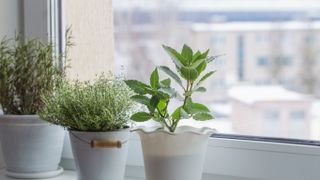
As the temperatures drop exterior, a frosty footing is never ideal for our garden and plants to grow. Only, y'all can take matters into your own hands by making an indoor winter garden to protect your plants from the cold and help them thrive.
Whether you're a establish lover or merely enjoy growing your own herbs and edibles, don't let the winter chill put you off. How to make an indoor winter garden is relatively like shooting fish in a barrel if you know the type of seasonal plants, and provide the right weather for it. What's more, this will ensure your lovely plants can thrive and concluding throughout the season and across. There are besides things you can do to help your outdoor flora flourish, such equally learning how to winterize your hydrangeas.
In the meantime, here's how to plant an indoor winter garden for your plants to thrive well into the new year!
Growing indoor herbs in the winter
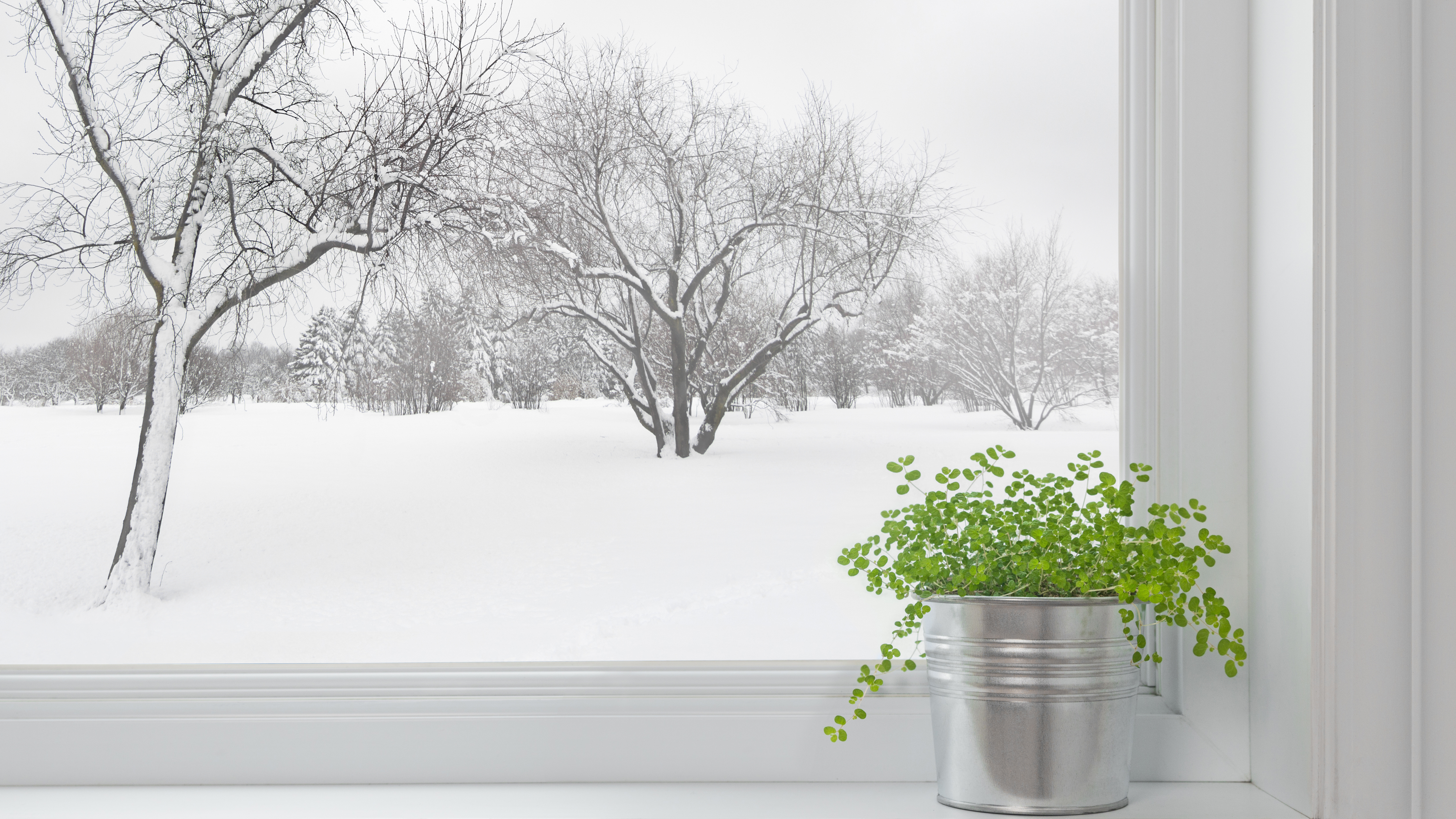
Windowsill herb gardens are a slap-up, hassle-free style to grow your ain fresh ingredients. Non only is it elementary to do (and organic), just will also relieve you money on your shopping bills in the long run. Plus, there'due south zilch meliorate than throwing in homegrown herbs from your windowsill into your delicious winter soups or hotpot recipes.
Typically, the best herbs to grow indoors for wintertime are oregano, chives, mint, rosemary, and thyme. So if these are your favorite to bandbox upwards your recipes, get planting!
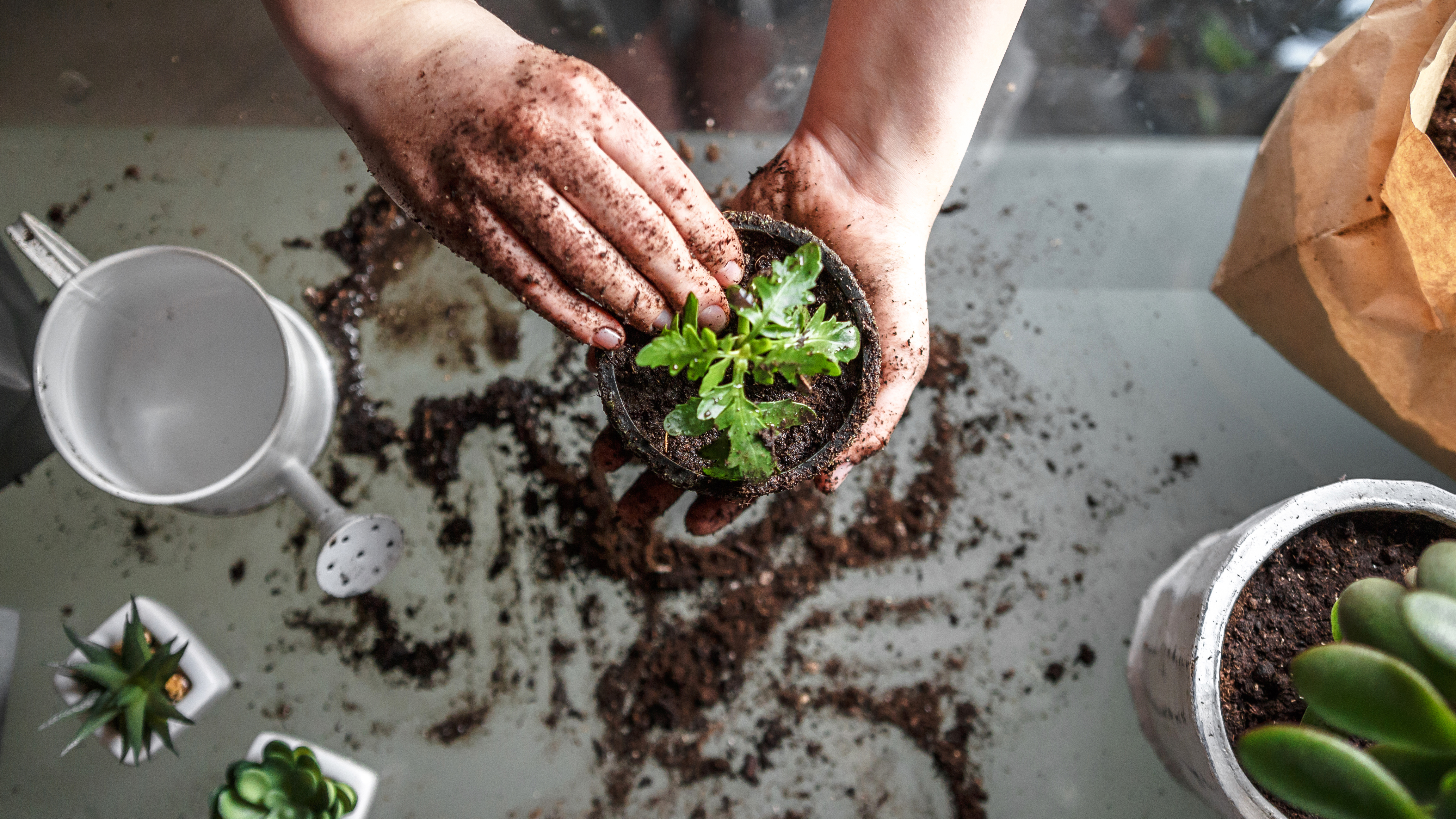
1. First, find a adept location to place your pots on your windowsill. This is usually the windowsill that gets the about sunlight during the solar day. Herbs thrive in proficient strong light and generally demand 6-eight hours of direct sunlight each solar day. In addition, the right temperature for herbs should be between 65-75 degrees Fahrenheit, which is the boilerplate indoor temperature.
ii. Next, get some small-scale-sized pots effectually half dozen inches wide and ideally 12 inches deep, as herbs tend to vary in growth. Ensure that your pots have a drainage hole at the bottom to prevent roots from sitting in h2o. In addition, ever put pots on a saucer or decorative tray to collect whatsoever water runoff.
3. Seeds are cheaper to buy but take time to grow, so yous tin can easily plant/repot gear up-grown herbs. Cull a quality indoor potting soil mix, and cheque the characterization to brand sure it's suitable for indoor plants. Avoid using soil from outdoors or from your garden as this is much heavier, and won't allow your plant to breathe.
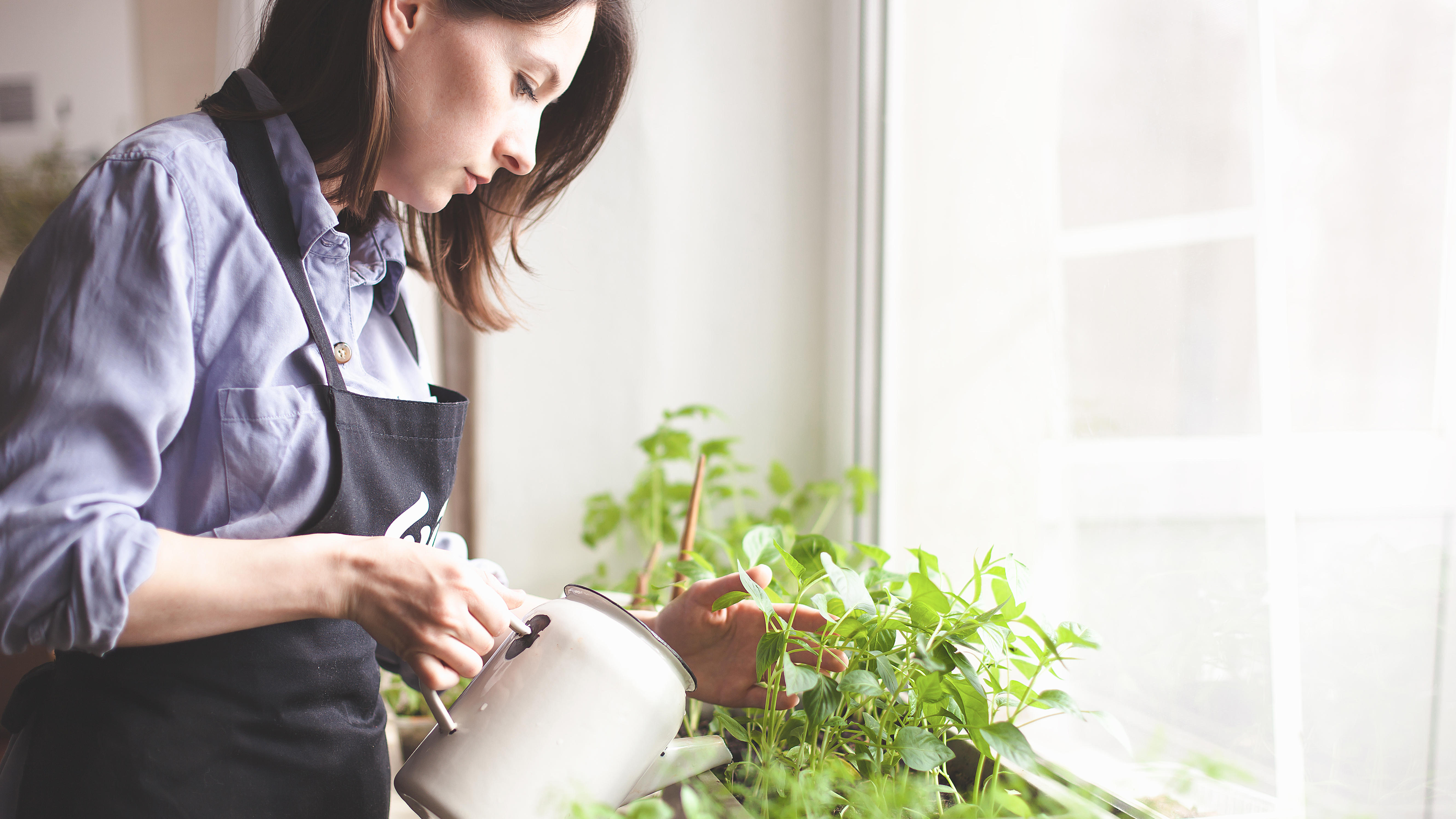
4. With a watering can, water herbs slowly yet thoroughly. If you water herbs too fast, the water may run straight through the pot and not permit for the soil to absorb properly. Ideally, herbs need to dry out out between watering so be sure not to overwater. A good indicator of when to water is if the soil is dry about 2 inches deep from the meridian. In whatsoever case, you may desire to purchase a found water meter similar this XLUX soil moisture meter for $12.99 at Amazon, to indicate when your plants need watering.
five. You can organize your herbs by labelling them with plant markers. Place most a brilliant window where they can get sufficient light during day.
Growing indoor plants for your winter garden

Mostly, houseplants demand less watering in the winter, so it's always best to select specific types that will thrive in your indoor garden. The best winter plants include:
Poinsettias — These festive flowers demand a lot of indirect light to thrive, and non to be placed straight in the harsh sunlight. Identify them about the sunniest window, and keep them away from extreme temperatures or close to a radiator. Merely water when the peak soil is dry, which is normally between one to three days.
Aloe vera — Known for its medicinal qualities to soothe burns or iching, this large succulent plant thrives in bright calorie-free. They require very little water and need well tuckered and coarse soil. It's best to place aloe vera plants shut to a window and preferably in a warmer area.
Cacti and desert plants — Although we may think that cacti only survives in hot temperatures, these are actually the best plants for wintertime. This is down to the fact that they tin store water much longer, so won't require much watering. Again, these are all-time placed on a windowsill to get ample sunlight during the twenty-four hours. Christmas cactus are popular during this time of yr, and will bloom in temperatures between 65 - 75 degrees Fahrenheit.

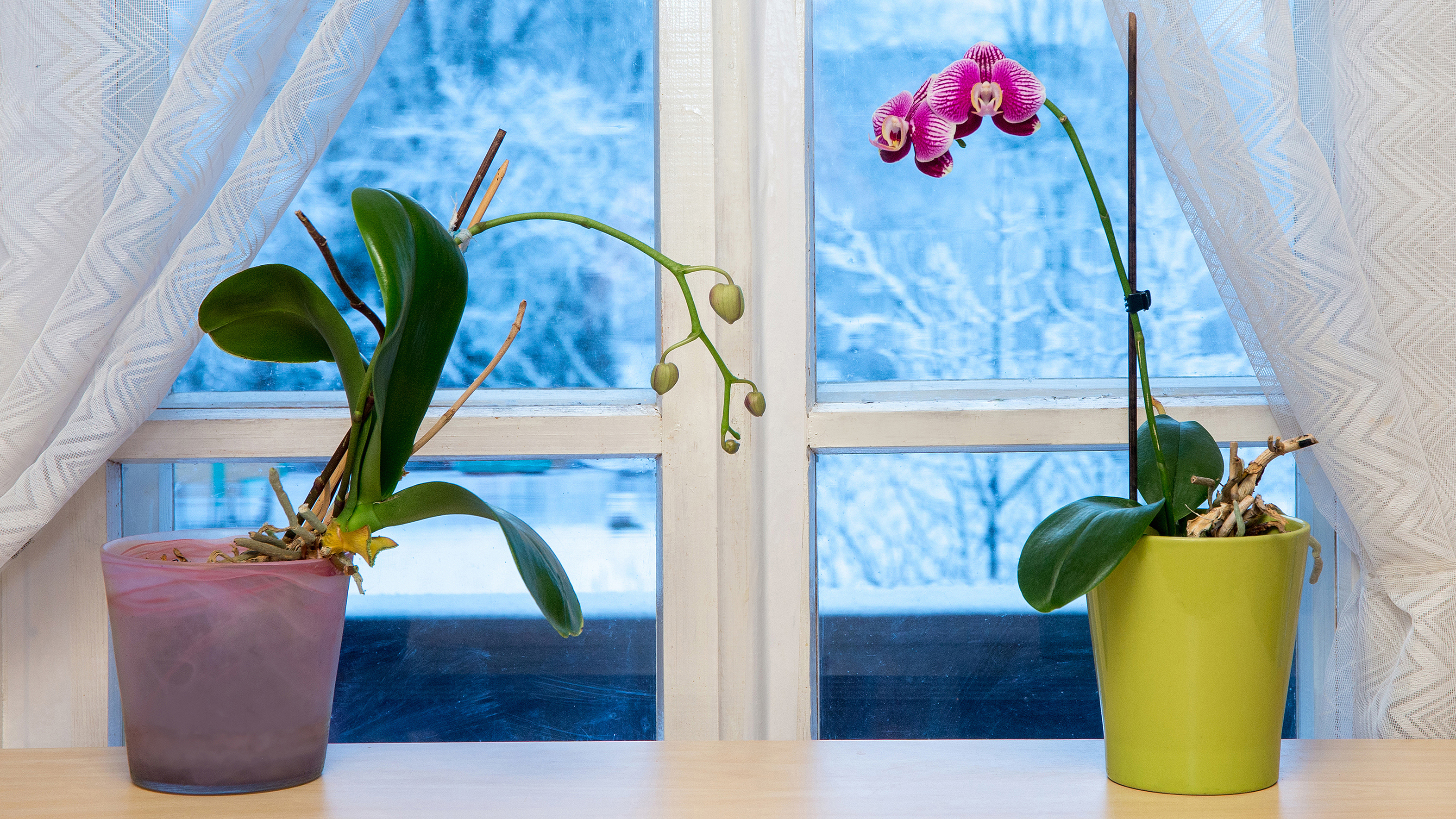
Moth orchid — These beautiful houseplants merely require watering once the soil is dry. It's best to pot in a clay pot and brandish in a warm environment. While they don't require a lot of feed during wintertime, you tin can create a spray solution of one-half or a quarter force of fertilizer which comes in either pulverisation or liquid form. Moth orchids need at to the lowest degree eight hours of low to medium sunlight. Avoid direct sunlight as this will be too harsh for its leaves, and call back to cut off wilting flowers.
Snake plant — Maybe i of the easiest plants to grow in the winter, this thrives in sunlight or partial shade. What's more it prefers dry air so you won't need to water or repot regularly. Win-win!
Fiddle-Leaf Fig — Another popular winter houseplant, this will thrive in medium sunlight, preferably in a temperature between eighteen and 25 degrees Fahrenheit. Once more, this doesn't require a lot of watering and it's best to let the surface of the soil dry out slightly between each h2o.
Clivia — These vibrant-colored plants actually prefer the cold atmospheric condition and will thrive in a drafty room. What'south more, these won't require a lot of sunlight or regular watering for them to bloom.

How often exercise you water your indoor wintertime garden?
Typically, you can water about wintertime houseplants once every two weeks. Succulents need watering every 2 to three weeks, while winter-flowering plants demand watering equally soon as the soil is dry. If you're growing herbs, these demand to exist watered two to three times a week, and avoid over-watering.

Source: https://www.tomsguide.com/how-to/how-to-make-an-indoor-winter-garden
Posted by: reamsting1972.blogspot.com
0 Response to "How to make an indoor winter garden for your plants to thrive"
Post a Comment